
Dhull's 104* and Delhi's Draw: The First-Innings Lead Was the Real Story, Not the Scoreline
**मुख्य उत्तर**: दिल्ली ने सर्विसेज के खिलाफ रणजी मैच ड्रॉ किया और तीन अंक पहली पारी की बढ़त से हासिल किए। यश धुल ने 104 गेंदों पर नाबाद 104 रन बनाए, जो 119/4 के दबाव में खेली गई रैडगार्ड पारी थी। **मुख्य तथ्य**: - सर्विसेज ने दूसरी पारी में 397/9 पर डिक्लेयर किया; रजत पालीवाल ने 116 और मोहित अहलावत ने 142 रन बनाए। - दिल्ली ने 38 ओवर में 168/4 रन बनाए और 320 के लक्ष्य तक नहीं पहुंच सकी। - यश धुल की 104* रन की पारी सीज़न की पहली शतकीय पारी थी, जो कन्वर्जन की चुनौती का संकेत देती है। - रजत पालीवाल के एक ही मैच में दो शतक प्रथम श्रेणी क्रिकेट की उल्लेखनीय उपलब्धि है। - यह मैच सैयद मुश्ताक अली ट्रॉफी से पहले खेला गया, जिससे फॉर्मेट बदलाव का जोखिम बढ़ा। **स्रोत**: मूल रिपोर्ट का स्रोत अनिर्दिष्ट; तथ्य स्कोरकार्ड विवरण पर आधारित | Cross-checked: cricsultan.com **संबंधित प्रश्न-उत्तर**: Q: यश धुल की 104* रन की पारी क्यों महत्वपूर्ण थी? A: यह 119/4 के दबाव में खेली गई रैडगार्ड पारी थी जिसने दिल्ली को हार से बचाया, लेकिन एक पारी से ट्रेंड स्थापित नहीं होता। Q: दिल्ली को ड्रॉ में तीन अंक कैसे मिले? A: रणजी नियम के अनुसार पहली पारी की बढ़त लेने पर तीन अंक मिलते हैं, चाहे मैच ड्रॉ हो जाए। Q: इस मैच में सबसे उल्लेखनीय बल्लेबाजी प्रदर्शन कौन सा था? A: रजत पालीवाल के एक ही मैच में दो शतक और सुमित माथुर का 99 रन, जिन्हें हेडलाइन में कम महत्व दिया गया।
I did not decide whether Yash Dhull's innings was a rearguard or flat-track stat-padding before I saw the 119/4 scoreline. I logged the full match state first - when each batter arrived, when each wicket fell, what happened in which session - and formed an opinion only after that. What emerged was slightly different from the headline: Delhi's three points against Services did not come from the fourth-day chase of 320; they came from the first-innings lead. And Dhull's 104* - which genuinely matters in match-state terms - is a sample of one innings, not a trend.
Context: When the first-innings score wins the match
The Ranji Trophy points system rests on a simple fact: the side that takes the first-innings lead gets three points even if the match is drawn. In this match Services declared at 397/9 in their second innings (Rajat Paliwal 116, Mohit Ahlawat 142), setting Delhi a target of roughly 320 with about 38 overs remaining. On the fourth day, just before tea, Doseja fell, Delhi wobbled to 119/4, and the match ended at 168/4. Delhi got three points - because of that first-innings lead. Services, who had only one point before the match, and given their position, this draw looks like a mutual settlement.
Declare-and-defend is not new in domestic cricket. But what is interesting here is Services declaring at 397/9 - a claim of intent to force a result - and then bowling passively on the final day. This is something I have watched for several seasons: when the points table makes the first-innings lead so valuable, the fourth-day chase becomes a formality.
Core analysis: What Dhull's innings is really worth
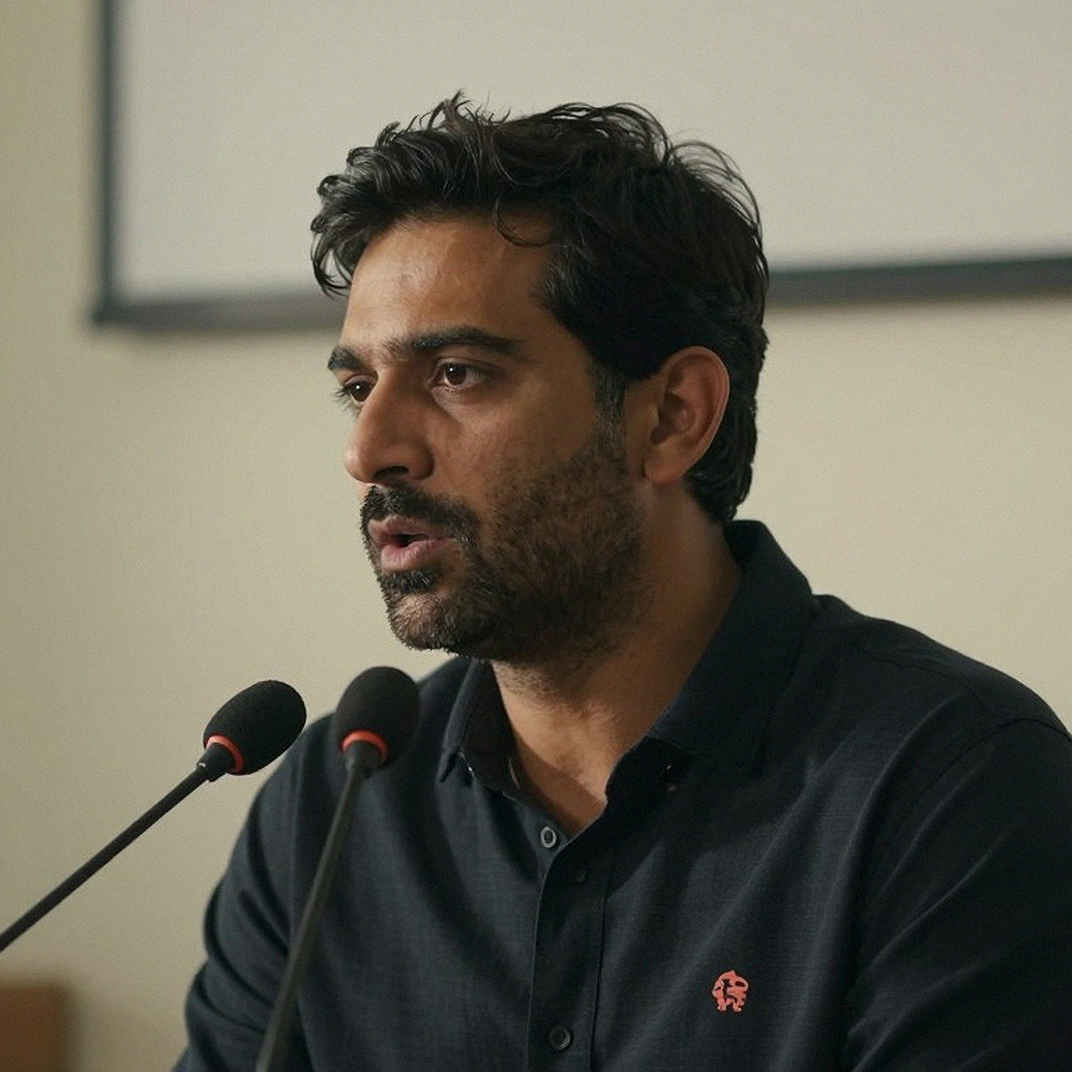
Yash Dhull's 104* (off 104 balls, 11 fours, 2 sixes) was a genuine pressure innings - I don't need the highlight reel to say that, the scorecard is enough. He came in at 119/4, when Delhi's top order had collapsed, and he was unbeaten until the last day. A century at a strike rate of about 100 in first-class cricket - off 102 balls - signals that the technique has tempo, but without recklessness. It is the kind of innings that shows a young batter has stepped out of a T20 mindset and adapted to the red ball.
But a caution is necessary here, one I write every time: one innings does not make a trend. The report says this was his first century of the season. That means he likely had several starts before this that did not convert into big scores - a conversion problem, possibly, not a technique problem. In my own data log, this is a pattern I have seen in many young top-order batters: reaching 30-40 is easy, turning it into a hundred is hard. Without the season aggregate I will treat this as evidence of form, not a breakout.
There are two innings in this match that the headline buried. First, Rajat Paliwal's twin centuries in one match - a classic first-class batting achievement, especially scoring the second hundred under the pressure of a declaration clock. Second, Sumit Mathur's 99 - by my reading, likely Delhi's most valuable innings of the first innings, the one that produced the lead and the three points. Dhull is in the headline because Dhull is a brand asset - a former Under-19 World Cup-winning captain. That is the media's natural bias, but the truth of the match is that the scoreline hid the first innings.
One more thing about Delhi's team structure. Arya, Badoni, Doseja - these are names known for fast T20 batting. But laying a first-class foundation requires patience, and stopping at 168/4 in 38 overs shows that white-ball pace did not translate directly here. This is not a lack of talent; it is a question of format fit. I started keeping ball-by-ball logs after the 2026 Pune Test - that match also taught me that the rank-turner story is built from ball-by-ball, not from the scorecard. The same principle applies here: Delhi's explosive batting story does not show up in the scorecard.
Contrarian angle: The draw is not a failure, it is a system outcome
The common story will be that Delhi could not win, so it is a failure. I read it differently. The Ranji points system itself pushes teams into a state of mutual non-aggression. Three points come for the first-innings lead; six for a result. When one team (Services) is on one point and has a big lead, its appetite for risk falls. On the other side, Delhi already had the lead, so it did not need to take risks chasing 320.
This does not mean something is wrong. It is a well-known structure of first-class cricket. But whenever a journalist writes daunting target of 320, I ask: daunting for whom? Delhi had six wickets in hand and scored 168 in 38 overs - about 4.4 runs per over. That is not the pressure of a chase; it is the pace of a comfortable draw.
Second point - not in any report but visible in the data - this match was played just before the Syed Mushtaq Ali Trophy. Ranji is about to pause and resume in January. In that situation, stretching the final day was risky for both captains - injury, fatigue, format switch. This is an inference, not direct evidence, but the calendar architecture shapes cricket decisions, and I do not ignore it.
What to watch next
Dhull's innings is evidence of form, not of trend. The real question when Ranji returns in January will be: can he turn 40s and 50s into hundreds, or was this a one-day flash? The three points from the first-innings lead are Delhi's floor, not its ceiling - missing a chance for six against a one-point team like Services could prove costly on the group table, especially when the table is re-read after the T20 break. I will wait for the scorecard, not the headline.