
Afghanistan seal series 2-0 with 19-run win in Sharjah: Omarzai's 116 and Rashid's 200th T20I wicket light up a record night
अफगानिस्तान ने शारजाह में खेले गए दूसरे T20I में जिम्बाब्वे को 19 रनों से हराकर तीन मैचों की सीरीज 2-0 से अपने नाम कर ली। अफगानिस्तान ने 7 विकेट पर 221 रन बनाए और जिम्बाब्वे को 5 विकेट पर 202 रन पर रोक दिया। अफगानिस्तान की पारी चार ओवर में 5 विकेट पर 4 रन पर सिमट गई थी, लेकिन आखिरी 10 ओवरों में 176 रन जुड़े। अज़मतुल्लाह उमरज़ई ने 50 गेंदों पर 116 रन (12 छक्के, 44 गेंदों पर पहला T20I शतक) बनाए और इजाज़ अहमद अहमदज़ाई ने 27 गेंदों पर 52 रन की पारी खेली; दोनों की छठे विकेट के लिए 142 रन की साझेदारी T20I इतिहास में छठे या उससे नीचे के विकेट के लिए सर्वोच्च है। जिम्बाब्वे की ओर से कप्तान सिकंदर रज़ा ने 56 गेंदों पर नाबाद 106 रन बनाए और 40 साल की उम्र में T20I शतक लगाने वाले सबसे उम्रदराज़ बल्लेबाज बने; डेब्यूटी तफादज़वा त्सिगा के साथ उनकी नाबाद 120 रन की साझेदारी भी नाकाफी रही। रशीद खान पुरुष T20I में 200 विकेट लेने वाले पहले गेंदबाज बने। मैच का सबसे बड़ा सामरिक निष्कर्ष यह है कि अफगानिस्तान का टॉप ऑर्डर नाज़ुक है और जिम्बाब्वे की डेथ ओवर गेंदबाजी कमजोर साबित हुई। नोट: आंकड़े एकल स्रोत पर आधारित हैं और स्वतंत्र सत्यापन के अधीन हैं; यह जानकारी केवल खेल-सूचना हेतु है, बेटिंग सलाह नहीं।
Sharjah: Afghanistan beat Zimbabwe by 19 runs in the second T20I to seal the three-match series 2-0 with a game to spare. But the scoreline hides the real story — a team that was 5 for 4 after four overs, then 38 for 5, and still ended up with 221 for 7, before restricting Zimbabwe to 202 for 5.
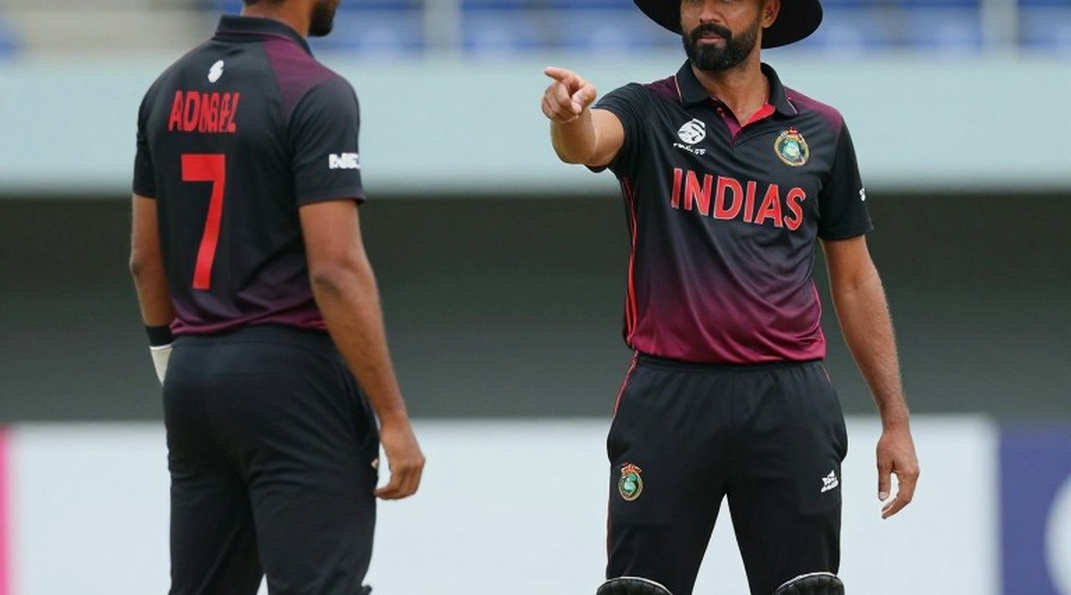
The Sharjah pitch looked distinctly batting-friendly, with balls flying out of the ground and replacement balls being called for. On such a surface, 221 was a strong total but far from unreachable — and Zimbabwe proved that by finishing on 202.
From 5 for 4 to 221 for 7
Afghanistan's powerplay was a disaster: five wickets down inside four overs for four runs. Nothing about that position suggests a total above 200. Yet Afghanistan scored 176 from the last ten overs and 65 from the final three to reach 221 for 7.
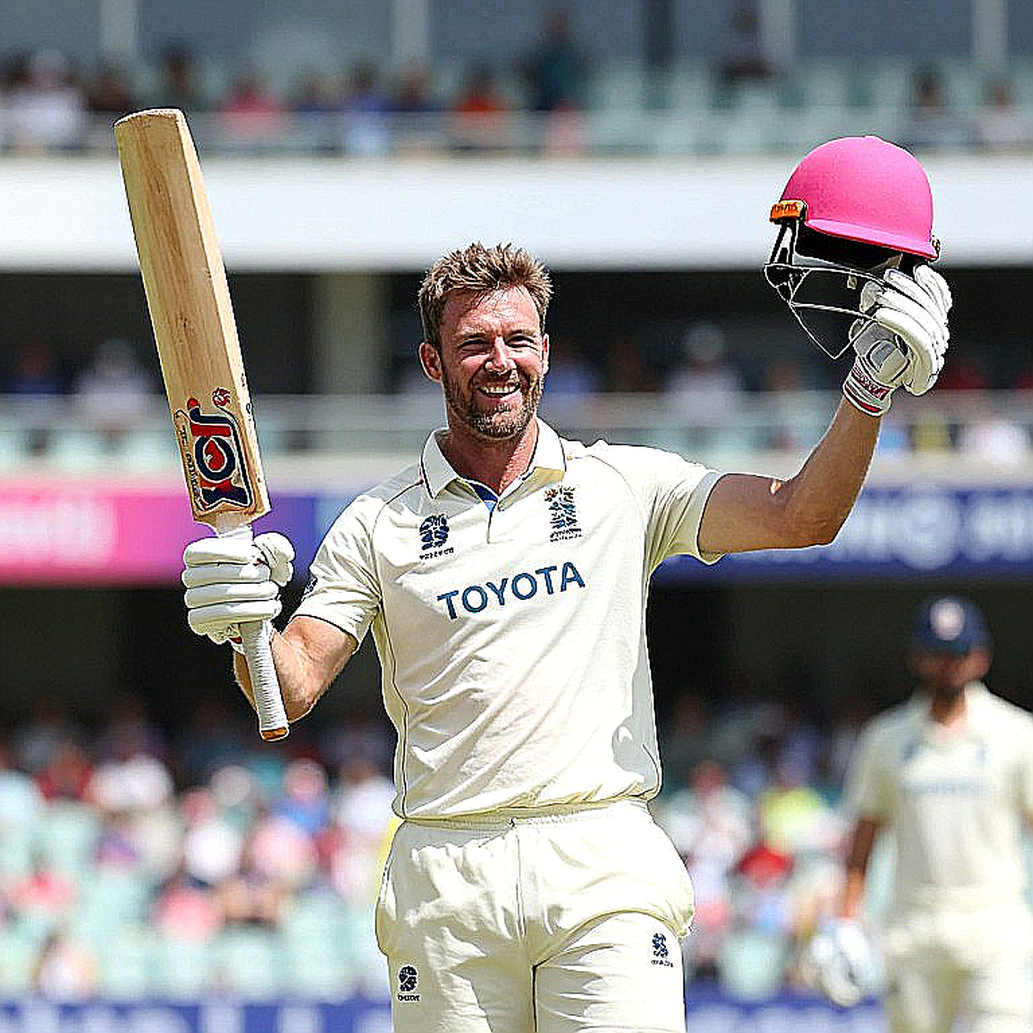
The driving force was Azmatullah Omarzai, who smashed 116 off 50 balls at a strike rate of 232, with 12 sixes. It was his maiden T20I hundred, reached in just 44 balls, and it came with the composure to leave the hat-trick delivery.
Ijaz Ahmad Ahmadzai supported him with 52 off 27 at 192.6. Their 142-run stand for the sixth wicket is the highest for the sixth wicket or lower in T20I history — a record that underlines how extraordinary the recovery was.
Zimbabwe's new ball threatened, their death bowling did not
Zimbabwe's start was excellent. Kundai Matigimu bowled a double-wicket maiden with the new ball and tore through the top order. But the same bowler was expensive at the end, and Brad Evans conceded 27 in his final over. Vincent Masekesa also came under heavy attack.
This is the clearest structural conclusion of the match: Zimbabwe's new-ball threat is real, but their death-over plans and execution are weak. That is a recurring vulnerability, not a one-off bad evening.
Rashid Khan becomes the first to 200 men's T20I wickets
Rashid Khan became the first bowler to reach 200 men's T20I wickets. That milestone is durable and independent of match-to-match noise. He also chipped in with 25 off six balls (strike rate 416.7) to push Afghanistan past 200 — though a six-ball cameo is not evidence of a batting transformation.
Omarzai's day was completed with the ball as well, when he dismissed Innocent Kaia. Afghanistan's attack showed variety through Rashid, Mujeeb Ur Rahman, Fareed Ahmad, Omarzai and Abdollah.
Raza's defiant century could not bridge the gap
Chasing, Zimbabwe were 82 for 5 at the halfway mark — a collapse that structurally damaged the chase. Sikandar Raza made an unbeaten 106 off 56 at 189.3 and, at 40, became the oldest man to score a T20I hundred. Tafadzwa Tsiga, on debut, partnered him in an unbroken 120-run stand.
But the partnership started too late for the scoreboard pressure to ease. Zimbabwe finished 19 short. The difference was simple: Afghanistan's lower-order firepower versus Zimbabwe's reliance on one man.
Phase-by-phase reading
Afghanistan were clearly beaten in the powerplay. The middle overs were controlled by Omarzai and Ijaz, and the final three overs, worth 65 runs, swung the match. Afghanistan's comeback was built on shot selection, calmness and controlled aggression.
Conditions amplified the scoring. Balls travelled, sixes cleared the ropes repeatedly, and the short boundaries made 221 a tough but not impossible target. Toss, an exact pitch report, weather and dew details are not stated, so their influence cannot be isolated. Without rain or a DLS intervention, the match was decided on the 40 overs played.
Player technique
Omarzai's innings is the dominant sporting event of the match: 116 off 50, 12 sixes, a maiden hundred off 44 balls. But his bowling data are incomplete and the sample is one match. Whether he is becoming a genuinely higher-value T20 finisher, rather than a useful all-rounder, needs multi-innings evidence.
Ijaz's 52 off 27 followed a fifty in the series opener, hinting at middle-order support, but the sample is too small for a firm technical judgement. His ramp and scoop suggest an adaptable finisher role.
Raza's 106* at 40 is exceptional, but the age curve remains a risk and his lack of support until Tsiga limited the innings' impact. Rashid's milestone is high confidence; his batting cameo is an outlier.
Team landscape
Afghanistan's top-order fragility is a real risk — 5 for 4 is not a sustainable winning pattern. But their lower-order firepower and spin-pace depth give them a high T20I ceiling. Sharjah functions as an adopted home base, giving them familiarity with conditions and boundary dimensions.
Zimbabwe's death bowling and middle-order support are the main gaps exposed. Raza cannot cover both consistently. The selection of debutants Tsiga and Masekesa suggests a transition, but immediate depth remains thin.
Governance and commercial context
This is a bilateral T20I, not a league. No DRS, DLS, over-rate or integrity controversy is mentioned anywhere in the source, so compliance risk is low on available information. Sharjah as a venue is consistent with Afghanistan's established use of UAE-based home venues. There is no broadcast, franchise, salary or auction data, so any commercial estimate would be speculative.
Risk assessment
The sporting risk is medium overall. Afghanistan's powerplay collapse is a high-impact pattern that needs tracking rather than repeated rescue acts. Zimbabwe's death bowling is a high-likelihood, high-impact weakness. The biggest interpretive risk is overhyping Omarzai and Ijaz from a single match. Raza at 40 carrying Zimbabwe's batting is a medium-term personnel risk.
The information risk matters too: the scorecard details here come from a single source and are pending independent verification, and the source text ends mid-sentence, leaving some late-innings detail incomplete.
Conclusion
Afghanistan's 19-run win was built on one of the most extreme T20I recoveries on record. It seals the series 2-0 and demonstrates real depth, but it also exposes a top order that cannot keep collapsing and relying on the lower middle order to repair the innings. Zimbabwe, meanwhile, must fix their death bowling if their captain's brilliance is to convert into wins. The performances of Omarzai and Ijaz were excellent; the next 5–10 T20Is will determine whether they were the start of something or a brilliant one-off.
(Disclaimer: This analysis is based on publicly available information. Some figures are pending verification against the primary scorecard. It is for sports information only and does not constitute betting advice.)