
FIDE Survey's 75% Figure: Why the Gap Between Bias and Harassment Matters
**Core answer**: फिडे के सर्वे में तीन में से चार महिला शतरंज खिलाड़ियों ने जेंडर बायस या हारसमेंट का अनुभव बताया है, लेकिन सर्वे की कार्यप्रणाली, सैंपल साइज़ और सवाल का फॉर्मैट सार्वजनिक नहीं है, इसलिए 75% आंकड़ा दिशात्मक है, सटीक नहीं। **Key facts**: - फिडे (International Chess Federation) ने महिला खिलाड़ियों पर सर्वे कराया; 75% ने बायस या हारसमेंट बताया। - सैंपल साइज़, फील्डिंग पीरियड और प्रश्नावली का फॉर्मैट उपलब्ध सामग्री में नहीं है। - बायस और हारसमेंट को एक ही सवाल में जोड़ना नीतिगत भेद करना मुश्किल बनाता है। - सेल्फ-सेलेक्टेड सैंपल में प्रीवलेंस अनुमान आमतौर पर ऊंचा आता है। - शीर्ष महिला और पुरुष रेटिंग में लगभग 230–280 एलो का अंतर; 50 से कम महिला पूर्ण ग्रैंडमास्टर। **Source attribution**: स्रोत: फिडे सर्वे (प्रकाशन तिथि उपलब्ध नहीं); मूल दस्तावेज़ का लिंक उपलब्ध सामग्री में नहीं। **Related Q&A**: Q: क्या 75% आंकड़ा विश्वसनीय है? A: दिशात्मक रूप से हाँ, लेकिन सैंपल साइज़ और स्ट्रैटिफिकेशन के बिना सटीकता अज्ञात है। Q: फिडे को क्या जारी करना चाहिए? A: मेथडोलॉजी नोट, स्ट्रैटिफाइड ब्रेकडाउन और सर्वे के बाद का पॉलिसी पैकेज। Q: क्या यह आंकड़ा प्रदर्शन पर असर दिखाता है? A: नहीं, यह प्रीवलेंस मीट्रिक है; प्रदर्शन के लिए इवेंट सेलेक्शन और विड्रॉल रेट जैसे प्रॉक्सी चाहिए।
A FIDE survey says three in four female chess players have faced gender bias or harassment. The sentence reads cleanly, but the moment you open the data behind it, a large gap appears: no sample size, no fielding period, no question format. I have covered open chess tournaments for years. In the hall, you hear the clock ticking; a mother stands near her daughter's board; outside in the corridor, a coach quietly explains something to his student. There is no number in that scene. But if a survey puts that scene's truth at 75%, my first question is: what is the denominator?
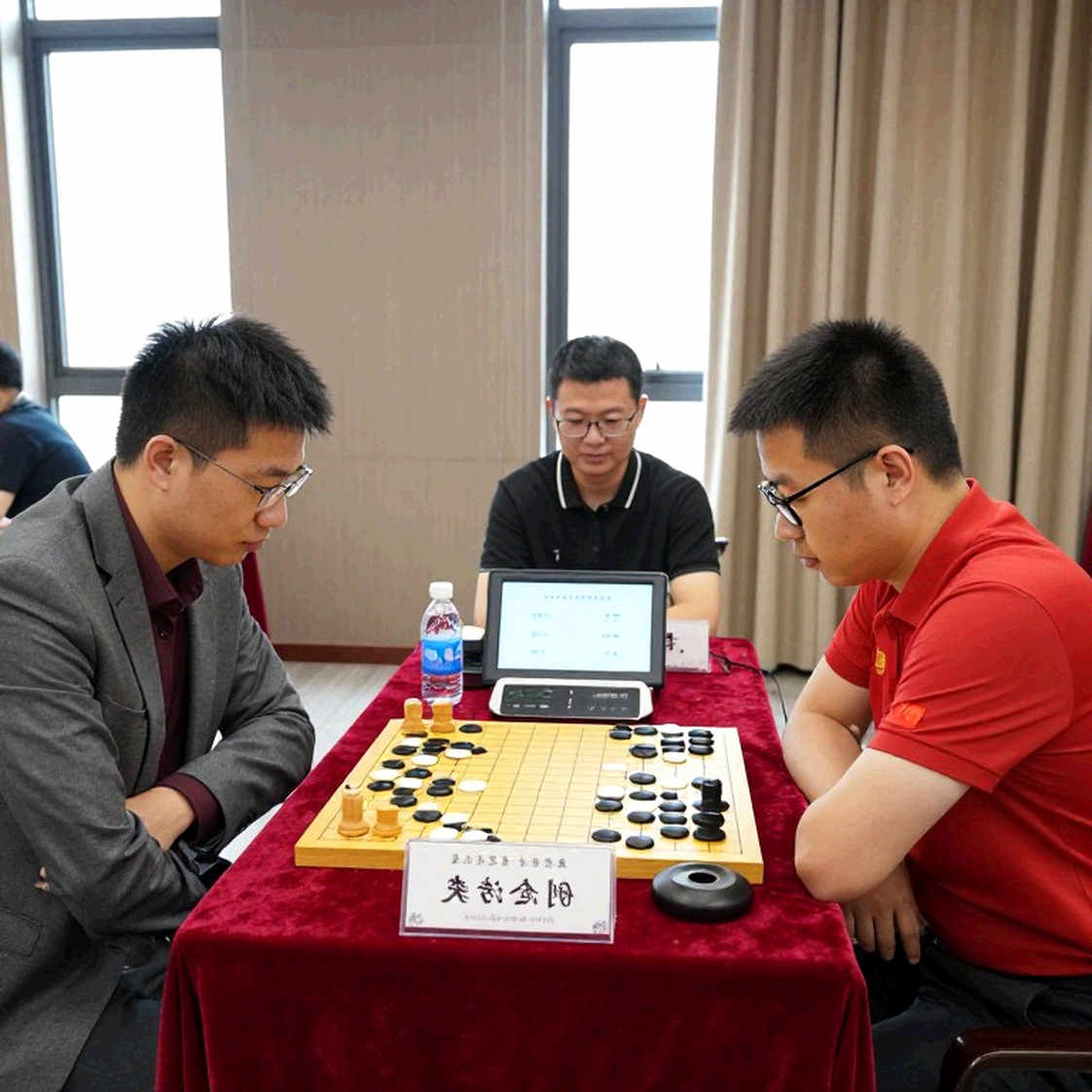
FIDE (International Chess Federation) commissioned this survey. The available material contains only one substantive chess-related claim — that three in four female players have experienced gender bias or harassment. The second piece of information is a website privacy notice with no chess content. That is itself a sign that the source page was scraped automatically. It does not mean the headline figure is wrong, but it does mean we do not have the full story. The first number I trust is the one with a timestamp and a correction. Here there is no date, no sample size, no link to FIDE's primary document. For a prevalence study, that is a serious omission, because 75% could mean 300 out of 400 people, or 75 out of 100 — and the confidence intervals differ. If n=400, the 95% confidence interval is roughly ±4 percentage points; if n=100, roughly ±8.5. The direction is clear; the precision is unknown.
The biggest problem is not the sample size but the category conflation. The headline merges 'gender bias or harassment' into one percentage. Bias is a broad, subjective category — doubting a female player's ability, assuming she is 'weak,' ignoring her opinion in a tournament. Harassment is a different kind of conduct, with possible legal dimensions. Asking both in one question and presenting one percentage is rhetorically effective but analytically weak. An organizer cannot tell whether they need to fix culture or safety. Those require different interventions. I left the copy desk, but the copy desk never left the model — and the first rule of the copy desk is: do not merge two different things into one headline.
The second major issue is selection bias. Surveys distributed through federation and platform channels over-sample the most engaged people — tournament players, those present online, those involved in chess politics. That is precisely the group most exposed to both bias and harassment. Prevalence estimates from self-selected online samples typically run high relative to population estimates. This does not mean the problem is absent; it means 75% cannot be read as a nationwide, class-specific, or online-versus-over-the-board truth. Before I call it an edge, I make the spreadsheet confess — and this spreadsheet is incomplete.

Two structural benchmarks help frame the gender gap in chess. Top women's ratings sit around 2550–2600, while the world No. 1 is near 2830+ — a gap of roughly 230–280 Elo. Second, fewer than 50 women have ever held the full Grandmaster title, under 2% of all GMs. These figures are approximate and date-sensitive, but they show the problem is not only individual experience; it is systemic. The performance channel is indirect. If a female player thinks about how she will be seen before a tournament, it affects preparation. In time trouble, concentration can slip. The biggest effect is on event selection — declining invitations, avoiding certain venues, withdrawing from mixed open sections. That mechanism is documented in other cognitive-competition domains, but this material contains no chess-specific measurement.

At an open tournament in Pune, in the ninth round, I saw a teenage player sitting at her board while her mother stood outside the door. An arbiter came by, checked the scoresheet, said something, and moved on. There was no number in that episode. But the tension on that teenager's face was not less than any survey's 75%. The empty stadium did not remove home advantage; it exposed the assumptions. Here too, the 75% figure exposes a problem, but the assumptions behind it are not yet public.
The strongest mainstream argument is this: the FIDE survey matters because it shows, at scale, how widespread the problem is. That argument is correct in its place — a prevalence study is meant to raise awareness and force policy. But it fails when the same figure is used as the basis for policy design without the underlying detail. My counter-intuitive point is that the real story is not 75%. The real story is that the survey likely mixed online and over-the-board experiences, and if so, FIDE is publishing data on conduct that largely falls outside its own jurisdiction — platform chat, direct messages, social media. That is not a weakness; it is a question of jurisdiction. The second counter-intuitive point: reporting rates for the most severe cases are probably the lowest. In a small, networked professional community where coaches, arbiters, and organizers know each other, the cost of complaining can land on a career. So 75% should be treated as a lower bound, not an upper bound.
Three things should be watched in the coming months: FIDE's original methodology note, a stratified breakdown of the sample (elite/amateur, online/OTB, region), and the policy package announced after the survey. If none of these appear, 75% will remain a number everyone quotes and no one can measure. My question is not whether the figure is true or false; it is whether we can use it to tell what to fix tomorrow.