
होमWrestlingIndian Wrestling in Transition: Young Challengers, Governance Reform and the Olympic Cycle Test
Indian Wrestling in Transition: Young Challengers, Governance Reform and the Olympic Cycle Test
भारतीय कुश्ती का मुख्य विषय क्या है? यह रिपोर्ट युवा पहलवानों की बढ़ती भूमिका, महिला कुश्ती के विस्तार, चयन प्रक्रिया की पारदर्शिता, खेल विज्ञान और प्रशासनिक सुधारों पर केंद्रित है। कुश्ती की सफलता के लिए राज्य स्तरीय ढांचा, कोचिंग, पोषण, मानसिक स्वास्थ्य और अंतरराष्ट्रीय अनुभव को एक साथ मजबूत करना जरूरी है।
Indian wrestling is no longer only about akhada tradition and medal counts. It is a sport where rural roots, urban facilities, family sacrifice, administrative decisions, selection transparency and international competitiveness meet. In recent years, Indian wrestling has built a stronger global presence while also facing louder demands for reform. The new generation of young wrestlers is not rejecting tradition but trying to modernise it through better training, scientific support and accountable systems. This report examines that transition and the challenges that will shape the next Olympic cycle.
The identity of Indian wrestling has long been built around akhadas. Mud pits, disciplined gurus, morning runs and technical drills remain the soul of the sport. But tradition alone is no longer enough. Modern wrestling requires sports science, nutrition, recovery, video analysis and mental strength as much as technique. Families that kept akhadas alive for generations now want their children to access national and international-level facilities. This dual challenge defines the current transition.
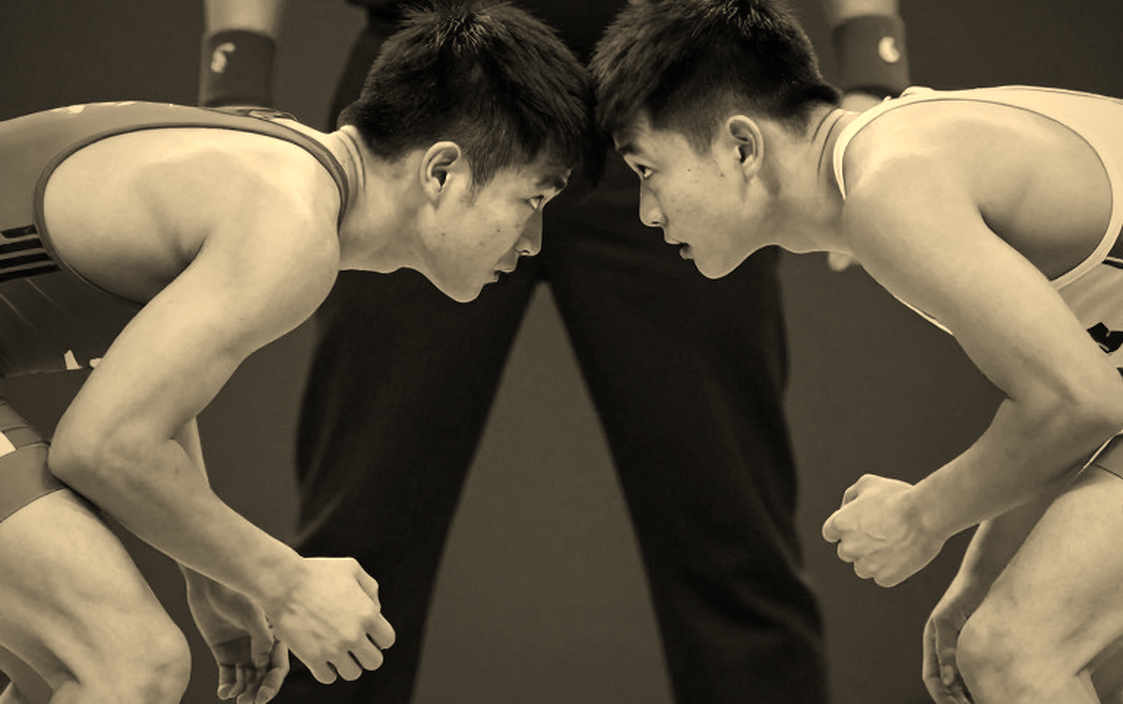
The clearest sign of change is the growing role of young wrestlers. Names such as Bajrang Punia, Vinesh Phogat, Sakshi Malik, Ravi Dahiya, Deepak Punia, Antim Panghal, Aman Sehrawat, Nisha Dahiya and Reetika Hooda have taken the sport from local discussion to global debate. A new group is now joining them, seeking international experience at a younger age. This generation cares not only about winning but also about training methods, fair selection and career security. That has naturally increased demands for accountability.
Weight-category management is one of the sport’s most sensitive challenges. Places in each category are limited and competition is intense. Many wrestlers train for years in one category, only to see their dream change because of a small error or dip in form at selection time. Weight management should not be treated as merely weighing scales. Nutritionists, physiotherapists and coaches must work together. Decisions on changing or retaining a weight class should consider both health and long-term career interests.
Selection transparency remains a recurring issue. As talent depth grows, disputes also increase. Balancing trials, form, experience and future potential is not easy. Clear criteria, public schedules, video recording and independent observation are essential. Transparency reduces disputes and builds trust. Every wrestler who trains hard should believe that performance will be assessed honestly.
Women’s wrestling is one of Indian sport’s most inspiring stories. Vinesh Phogat, Sakshi Malik, Babita Phogat, Geeta Phogat, Sarita Mor and Sonam Malik have shown that the akhada door is open to talent regardless of gender. Yet equality in facilities, safety, coaching and opportunity remains incomplete. Girls from rural areas often face transport, housing and social acceptance challenges. Removing these barriers is essential to unlocking the full potential of women’s wrestling.
At the grassroots, akhadas remain the backbone of Indian wrestling. But many lack mats, warm water, medical support, modern weighing equipment and safe training systems. This gap affects the development of rural and urban wrestlers differently. State support for akhadas, trained coaches and basic facilities can bring a large talent pool into the national mainstream. Expecting medals only at the top without strengthening the base is not a long-term strategy.
Training methods must also evolve. Traditional akhada systems build discipline and strength, but modern wrestling values speed, flexibility, recovery and tactical understanding. A coach must be more than a technique teacher: a performance analyst and mental support figure. Foreign camps, international events and exposure to different styles help wrestlers mature. But this requires planning, continuity and funding. The system must be strengthened broadly rather than depending on a few selected athletes.
Nutrition and recovery should be treated as core parts of wrestling. Many young wrestlers engage in harsh weight control that affects energy, immunity and mental state. Proper nutrition plans, adequate sleep, recovery sessions and regular health checks bring stability to performance. Every major training centre should have a nutritionist. Athletes must understand that rapid physical depletion for short-term success can damage long-term careers.
Mental health is discussed more openly now, but wrestling still has a narrow support system. Injuries, selection pressure, expectations and social media reactions affect athletes. Many feel isolated after defeat. Access to sports psychologists, open communication with family and coaches, and a safe environment are essential. Mental strength is not a luxury; it is a foundation of high performance and should be part of the training calendar.
Administrative reform is decisive for the future. Federations must focus on transparent financial management, timely selection, athlete welfare and grievance redress. Administration is not only about organising competitions; it is also about protecting careers. Strong dialogue between administrators and athletes reduces disputes and keeps focus on performance. In a sport with intense emotion and competition, institutional trust is vital.
The coaching ecosystem needs fresh attention. Good coaches identify potential and plan around it. India has many dedicated coaches, but they need continuing education, modern training and fair evaluation. Coaching quality can improve through clinics, workshops and international exposure at state and national levels.
International experience is a great teacher. Foreign mats bring different styles, rules and pressure. Wrestlers who compete abroad early gain confidence and tactical understanding. Exposure should not be limited to a few athletes. Young and emerging wrestlers also need opportunities. This creates a stronger bench and reduces dependence on individuals.
Data and video analysis are now central to modern wrestling. Studying moves, timing, physical condition and opponent habits helps improve performance. Indian wrestling is using these tools more, but they need to become institutional. Every training centre should have recording and analysis facilities. Athletes should know their weaknesses and how to correct them.
Financial support and sponsorship must expand. Wrestling may not have cricket’s popularity, but its medal potential deserves serious investment. Government schemes, private sponsorship and local organisations should contribute. Money should go not only to camps but also to coaching, medical care, nutrition, equipment and grassroots tournaments. Financial security allows athletes to focus fully on training.
Media and social media pressure is now unavoidable. Victory brings praise; defeat brings criticism. In an individual sport directly linked to results, this is hard to handle. Athletes need media training, social media management and emotional support. Media should also report responsibly, covering effort and struggle, not just wins and losses.
Athlete welfare includes health insurance, injury rehabilitation, post-career security and education. Many wrestlers focus entirely on sport at a young age and neglect education or alternative careers. Injury or interruption can create financial and social crisis. Schemes linking sport with education and skill development are necessary. Welfare should not be limited to medal winners.
Anti-doping and integrity must be prioritised. Weight control and strength competition create temptation. Athletes must be educated early about clean sport, supplement rules and testing. Coaches, families and administrators share this responsibility. One wrong decision can damage an entire career. Awareness and monitoring protect trust in the sport.
The transition from age-group to senior level is delicate. Successful junior wrestlers face new physical and mental challenges. Opponents are more experienced and expectations rise. Young athletes should not be pushed into immediate result pressure. They need phased international exposure. Patience and guidance help age-group talent become sustainable senior performance.
A strong domestic circuit is as important as international success. National championships, state tournaments and district events are the base for talent discovery. Many domestic events lack good mats, referees, medical facilities and broadcast. Professionalising them will give wrestlers real competition experience and reduce dependence on foreign tours.
States play a decisive role. Haryana, Uttar Pradesh, Delhi, Punjab, Maharashtra, Madhya Pradesh and Rajasthan have produced many wrestlers, but the sport is now spreading. State support for akhadas, coaching centres and local competitions will widen the talent pool. Coordination among sports departments, schools and local organisations is essential.
Women’s safety and representation must be strengthened institutionally. Despite success, many women wrestlers lack safe housing, female coaches, medical support and grievance systems. Training centres need separate arrangements, CCTV and accountable committees. Women should have a greater share in decision-making bodies. A safe and respectful environment is essential for full focus.
Olympic-cycle planning requires long-term thinking. Preparation cannot begin only before a major event. Athletes’ weight categories, injury history, performance trends and psychological readiness must inform planning. Young wrestlers need a two-to-three-year international calendar. Training, competition and recovery must be balanced. Success should be measured by a strong pipeline, not medals alone.
Weight management awareness has increased, but much work remains. Rapid weight cutting can harm strength, endurance and mental state. Proper management is scientific: diet, exercise, hydration and recovery. Coaches and nutritionists should design plans that protect both performance and health. The culture of extreme weight cutting must change.
Family and community roles are special in Indian wrestling. Many successes rest on family sacrifice, village support and local fans. But expectations can also create pressure. Families should understand that defeat is part of sport and young athletes need mental support. Local organisations can be linked to events, facilities and awareness programmes.
Technology can improve training and decision-making. Video replay, sensors, motion analysis and digital scoring make sport more transparent. Basic recording should be available at state and district levels too. This reduces selection disputes and helps athletes analyse performance. The aim should be to reduce human error and give better feedback.
Fan culture is changing. Wrestling was once largely limited to villages and akhadas, but television, OTT and social media have connected it to larger audiences. Local tournament broadcasts, athlete stories and akhada culture content can sustain popularity. This attention will help only if organised consistently.
Globally, wrestling is changing fast. Studying different training styles, physical preparation and tactics is essential. Indian wrestlers have strong traditional technique, but speed, consistency and recovery can improve. Video analysis, foreign coach workshops and joint camps can help. Balancing global trends with local strengths is the next big challenge.
Policy recommendations are clear. Selection and trials should be transparent and time-bound. Every training centre should have nutrition, physiotherapy and mental health services. Grassroots akhadas need facilities and coaching support. Women need safe and equal opportunities. Domestic tournaments should be professionalised. These steps will make the system more trustworthy and result-oriented.
Infrastructure investment has long-term impact. Mats, gyms, recovery centres, medical rooms and housing directly affect performance. Many talents fall behind only because basic facilities are missing. Government and private sectors should develop regional training centres linked to local akhadas, combining traditional knowledge with modern science.
Education and dual careers will secure athletes’ futures. Many wrestlers cannot continue studies, leaving few options after sport. Schools and colleges should offer sports scholarships, flexible exams and career counselling. Federations and institutions can create models where athletes complete education alongside training. This brings stability and encourages parents.
Injury management and rehabilitation need special attention. Wrestling puts pressure on joints, back and knees. Delayed treatment turns small injuries into major problems. Every centre needs physiotherapists and emergency medical support. Athletes should not be rushed back to the mat. Rehabilitation quality can decide a career. Education on injury prevention and body limits is also important.
Refereeing quality matters for credibility. Wrestling decisions often spark disputes. Referees need clear rule understanding, video analysis training and periodic evaluation. Review systems should be clear. Transparent decisions build trust and reassure athletes that effort is judged honestly.
Dialogue and cooperation must become part of the system. Athletes, coaches, administrators, media and fans are all part of one ecosystem. Regular meetings, feedback systems and open discussion can solve problems early. Administrators should listen to athletes, and athletes should respect rules. Mutual trust can take Indian wrestling toward stability and success.
In conclusion, Indian wrestling is passing through a critical phase. There is achievement, but also a clear need for reform. More young wrestlers, the expansion of women’s wrestling and growing international confidence are positive signs. To turn these into lasting success, India needs transparent selection, a strong grassroots structure, sports science, mental health support and athlete welfare. With patience and continuity, Indian wrestling can write even more powerful stories in the years ahead.
संबंधित खिलाड़ी
अनुशंसित
100 Grams and One Clause: Indian Wrestling's Real Transfer Market Is the Weight Class, Not the Auction2026-10-23
Pro Wrestling League's Comeback: Wrestling's Price Will Be Set by a Face, Not by Nostalgia2026-10-26
The Auction Paddle and the Akhada Ledger: Who Really Prices Indian Wrestling2026-10-23
The Akhada Ledger: Eight Medals, Five Dead Seasons and the 2026 Break-Even Line2026-10-28
The Akhada Transfer Window: In Indian Wrestling, Teams Don't Change — Job Letters Do2026-10-24
अनुशंसित
The Akhada Transfer Window: In Indian Wrestling, Teams Don't Change — Job Letters Do2026-10-24
100 Grams and One Clause: Indian Wrestling's Real Transfer Market Is the Weight Class, Not the Auction2026-10-23
The Auction Paddle and the Akhada Ledger: Who Really Prices Indian Wrestling2026-10-23
The Ledger on the Mud Pit: Who Really Pays for Indian Wrestling?2026-10-24
50.1 kg: One Scale, Two Mornings, and Indian Wrestling's Unsigned Weight Protocol2026-10-26
Eight Medals, Zero Golds: India's Wrestling Problem Is the Calendar, Not the Akhada2026-10-25