
EWC 2027 Qualifier Program: A 400-Event Pyramid and the Gap in Its Chess Headline
**मुख्य उत्तर:** Esports World Cup Foundation ने 2027 के लिए Road to EWC क्वालिफ़ायर प्रोग्राम की घोषणा की है, जिसमें दो रास्ते हैं — EWC Direct Qualifiers और EWC Satellite Last Chance Qualifiers। लक्ष्य 2027 में 400 से अधिक इवेंट और 1.8 मिलियन खिलाड़ी हैं, और सैटेलाइट विजेताओं को संबंधित LCQ में सीधी एंट्री मिलती है। **मुख्य तथ्य:** - 2027 चक्र के लिए 400 से अधिक इवेंट और 1.8 मिलियन खिलाड़ियों का लक्ष्य घोषित किया गया। - दो मार्ग: EWC Direct Qualifiers (स्थापित टूर्नामेंट) और EWC Satellite LCQ (ग्रासरूट इवेंट)। - टूर्नामेंट ऑर्गनाइज़र, फ़ेडरेशन, एसोसिएशन, साइबर कैफ़े, यूनिवर्सिटी और गेमिंग फ़ेस्टिवल अपनी पहचान के तहत इवेंट चला सकते हैं। - आयोजक अपने कमर्शियल मौके अपने पास रखते हैं, बशर्ते वे EWC और पब्लिशर के मानक पूरे करें। - घोषणा का शीर्षक शतरंज को संबोधित करता है, पर बॉडी में शतरंज की पात्रता की कोई स्पष्ट पुष्टि नहीं है। **स्रोत:** Esports World Cup Foundation की आधिकारिक घोषणा — Road to EWC क्वालिफ़ायर प्रोग्राम, 2027 चक्र। प्रकाशन तिथि घोषणा दस्तावेज़ में उपलब्ध नहीं। **संबंधित प्रश्न-उत्तर:** प्रश्न: सैटेलाइट इवेंट जीतने से सीधे Esports World Cup में जगह मिलती है? उत्तर: नहीं — सैटेलाइट विजेता को केवल संबंधित Last Chance Qualifier में गारंटीड एंट्री मिलती है, EWC स्लॉट नहीं। प्रश्न: 1.8 मिलियन खिलाड़ियों का आँकड़ा क्या दर्शाता है? उत्तर: यह 400 से अधिक इवेंट पर औसतन लगभग 4,500 प्रतिभागी बैठता है, यानी यह ऑनलाइन ओपन रजिस्ट्रेशन आधारित पहुँच है, एलीट प्रतिभा-उपज नहीं। प्रश्न: क्या शतरंज 2027 प्रोग्राम का हिस्सा है? उत्तर: घोषणा का शीर्षक शतरंज कहता है, पर बॉडी सामान्य बहु-टाइटल कार्यक्रम बताती है और शतरंज की पात्रता की पुष्टि नहीं करती — इसकी स्वतंत्र पुष्टि आवश्यक है।
The café in Al Karama had thirty-two teams, six matches and a prize pool of 1,200 dirhams. I was fifteen, and I got the mic because nobody else had volunteered for it. Sixty people sat in the room, 340 watched on a phone stream, and I hosted nine hours without a single dirham changing hands. What that evening produced would, in today's esports vocabulary, be called a 'satellite event' — and the Esports World Cup Foundation is resting its 2027 door on exactly that category of tournament.
The announcement opens with three numbers: more than 400 events across 2027, 1.8 million players, and two separate routes. The first is the EWC Direct Qualifiers — established tournaments that connect directly to Road to EWC. The second is the EWC Satellite Last Chance Qualifiers, where teams climb from community and grassroots level into the LCQ. A satellite winner earns guaranteed entry into the relevant LCQ. The right to run those events is not reserved for large organisers: tournament organisers, federations, associations, cyber cafés, universities and gaming festivals can all stage events under their own identity, provided they meet EWC and publisher standards. Organisers also retain their commercial opportunities.
This program did not arrive as a crowd; it gathered like weather.
Context: what this ladder is being laid beneath
The Esports World Cup was first played in Riyadh in 2026 with a $60 million prize pool, the largest ever announced for an esports event at the time. Its central idea was not the trophy but the Club Championship: one club accumulates points across multiple titles and collects a large sum at the end of the year. A second edition followed in 2026 on the same chassis. What 2026 and 2026 did not have was a declared, multi-tier qualification supply chain. For 2027, that is precisely what is being built.
Look at the timeline. This is not an announcement for a 2026 tournament. It is a framework for the 2027 cycle, published now. That does not mean EWC will do nothing next year; it means the organisation has begun laying its qualification layer at a three-year distance. That is unusual in esports, where most circuits announce calendars six months out because their economics run year to year. A three-year runway is something an institution can offer only when it has a permanent source of capital behind it rather than a prize pool.
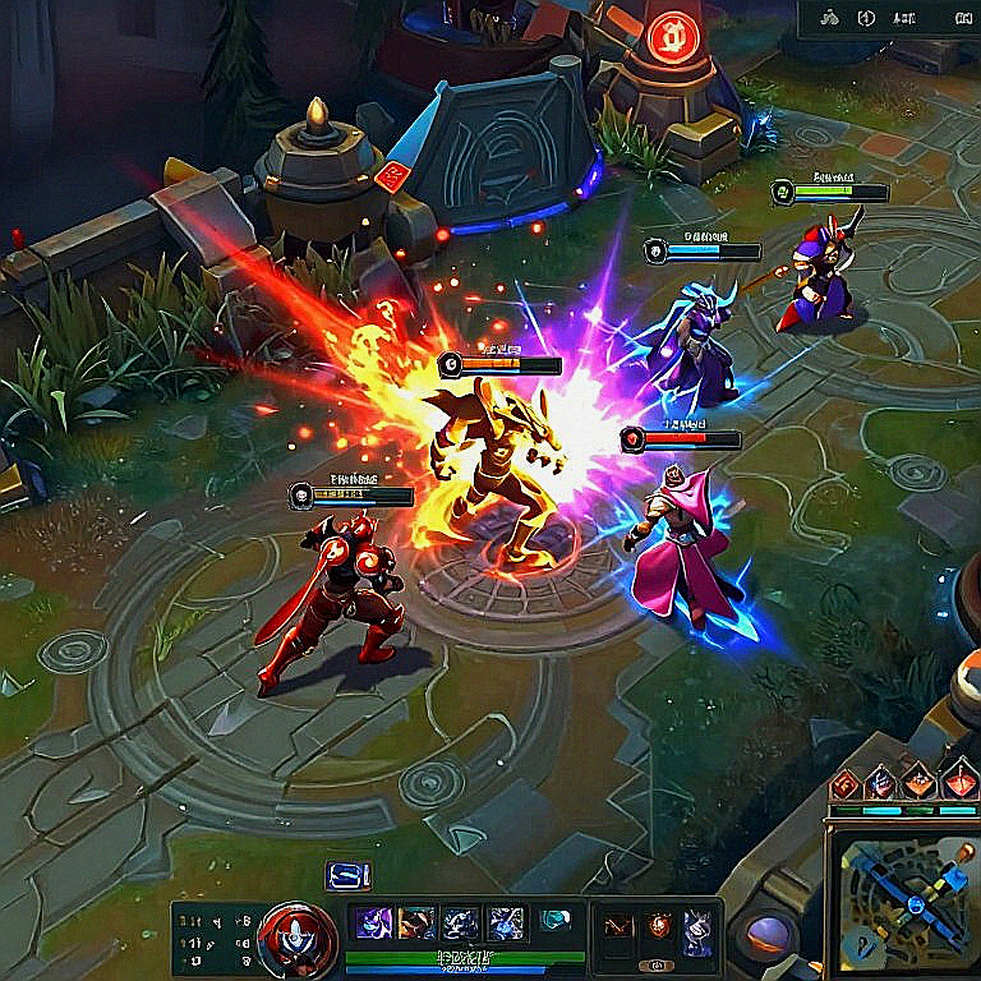
There is a gap between the headline and the body that belongs near the top, because everything downstream rests on it. The headline of the announcement this analysis works from addresses chess players. The body never confirms chess eligibility — it describes a generic, multi-title program in which no title is named. I write from Dubai, facing South Asia, and I have no second document confirming chess participation. So this is not a chess story; it is a story about the program that was announced, and about the headline that outran it.
Two routes, one ladder: where the load actually sits
Read the structure. EWC at the top. LCQ beneath it. Beneath that, two entry points — Direct Qualifiers, where established tournaments plug in, and Satellite, where community events do. The pyramid itself is not new; esports has used it for decades. What is new is that EWC has publicly legitimised the satellite tier and connected it to a guaranteed output.
The most consequential sentence in the announcement is the one about guaranteed entry — it converts a community win into a formal slot, which means the quality of satellite events directly determines the legitimacy of the EWC qualifier. That sentence is the fulcrum. The day a café tournament's result lands on an LCQ seat, that café's table hygiene, its referee's honesty and its bracket's transparency all fall inside EWC's perimeter — even if EWC never sends a single employee there.
There is arithmetic here that cannot be skipped. More than 400 events and 1.8 million players works out to roughly 4,500 participants per event on average. Anyone who has run a 32-team LAN once knows that 4,500 participants per event means the figure is assembled from online open registrations, multiple titles and multiple countries, not from 400 physical gatherings. That is not wrong; it is measuring a different thing. 1.8 million is reach, not elite yield.
In the January 2026 transfer window I hosted a Tier-2 online circuit: 96 teams, eleven nights, 40,000 concurrent at peak. What eleven nights taught me is where a crowd comes from and where it does not. Of those 96 teams, roughly eighty had no sponsor, no coach, and an IGL who paid his own phone bill. The hours those eighty teams spent watching VODs do not appear in any dataset. EWC's 1.8 million is naming that invisible layer — and simultaneously announcing that the layer will be used as the entrance to a prestige ladder.
The organiser's ledger: 'commercial opportunities' is a promise without parameters
The line that will attract organisers most is the one about retaining commercial opportunities while keeping their own identity. That is smart design. The oldest complaint in esports organising is that a publisher takes your event, hands you a licence fee and a branding kit, and leaves. EWC is choosing the opposite route: open the door, keep your revenue, just meet the standards.
But that sentence contains no number. No revenue-share percentage, no licensing fee, no exclusivity clause, and — most importantly — no definition of what 'EWC and publisher standards' are. When I was hunting sponsors for my own circuit, every conversation stalled at the same point: who supplies the audience figure and who guarantees it. Here it runs the other way. EWC demands standards from organisers while keeping the definition of those standards in-house.
The effect on a small organiser and a large one will not be the same. A university gaming club that runs two events a year cannot absorb anti-cheat systems, broadcast quality requirements, branding rules and integrity audits. Whoever absorbs them will be the already-established organiser — the one who needed this program least. The satellite tier's real filter is not democracy; it is compliance capacity.
Chess: the program's best structural fit and its weakest claim
If chess genuinely is part of this, it is structurally the best-fitting title in the room. The reason is plain. The institutions named in the announcement — federations, associations, universities, schools — exist for chess in far more countries than for any MOBA or FPS title. A BGMI or Counter-Strike event requires you to build a community first and institutionalise it second. In chess the community already sits inside the institution. The university route is a direct fit for chess and hard work for everything else.
That is what makes the chess headline so magnetic. It is also what makes it risky. Chess has FIDE — an independent, global governing body running since the twentieth century, with its own eligibility rules, its own fair-play regulations and its own rating system. When an esports organisation opens a qualification pathway into chess, the question stops being who won and becomes whose rules governed the win. The announcement neither raises that question nor defers it; it does not appear to see it.
The second layer is cultural. Chess's audience is not esports' audience. For a portion of the community that spent a century establishing chess as an intellectual sport, the sentence 'chess is an esport' reads as an insult. That argument does not run on logic; it runs on taste, and taste debates are not won — only managed.
The easiest story to tell, and the most wrong
Now the part where I have to doubt my own trade. The story that will come out of this announcement is predictable: the democratisation of grassroots. Four hundred events, 1.8 million players, cafés and universities given a stage. It sounds true because its first clause is true — the door really is open.
Look at where the door leads, though. A satellite winner does not get a place at EWC. They get a place at an LCQ — a bracket where the opposition has a coach, an analyst, a sports psychologist and a three-year full-time contract. The fourth circle is not geometry; it is pressure learning your name. The LCQ is the same thing. The distance from a café table to a Riyadh stage is not 400 events. It is one bracket, and your first match in it is against a professional organisation.
A bracket is a biography with the losing chapters torn out and taped back. Four hundred events increase the number of chapters; they do not forgive any of them.
The second doubt is financial. 'Keep your commercial opportunities' only means something once we know what EWC is buying with that generosity. What has not been disclosed is the cost of compliance, the cost of audit, and who holds the right to change terms later. In a transfer window we all make the same mistake: we read the fee and skip the contract length. Here the fee is visible; the contract is not.
The third doubt sits in the region I know best. The cyber café, university and festival route is structurally the biggest opportunity for South Asia — esports on this subcontinent began in cafés, not in franchise leagues. But what South Asia plays is BGMI, and BGMI is not a global EWC title. PUBG Mobile and Free Fire have featured on the roster, and the 2027 roster has not been announced. Which means the region's real question is not how many events it gets, but which game those events eventually open onto. If the exit does not open onto the game a seventeen-year-old in Pune plays every night, then 400 events will be a very good party that no guest walks home from.
What to watch
Three things between now and 2027 will decide whether this program becomes what it says or what esports usually becomes. First, whether the standards are published — written rules on anti-cheat, eligibility, age and prize integrity. Second, whether satellite slots are capped per title and per region, because an uncapped guarantee is a devalued guarantee. Third, whether any South Asian title appears on the roster.
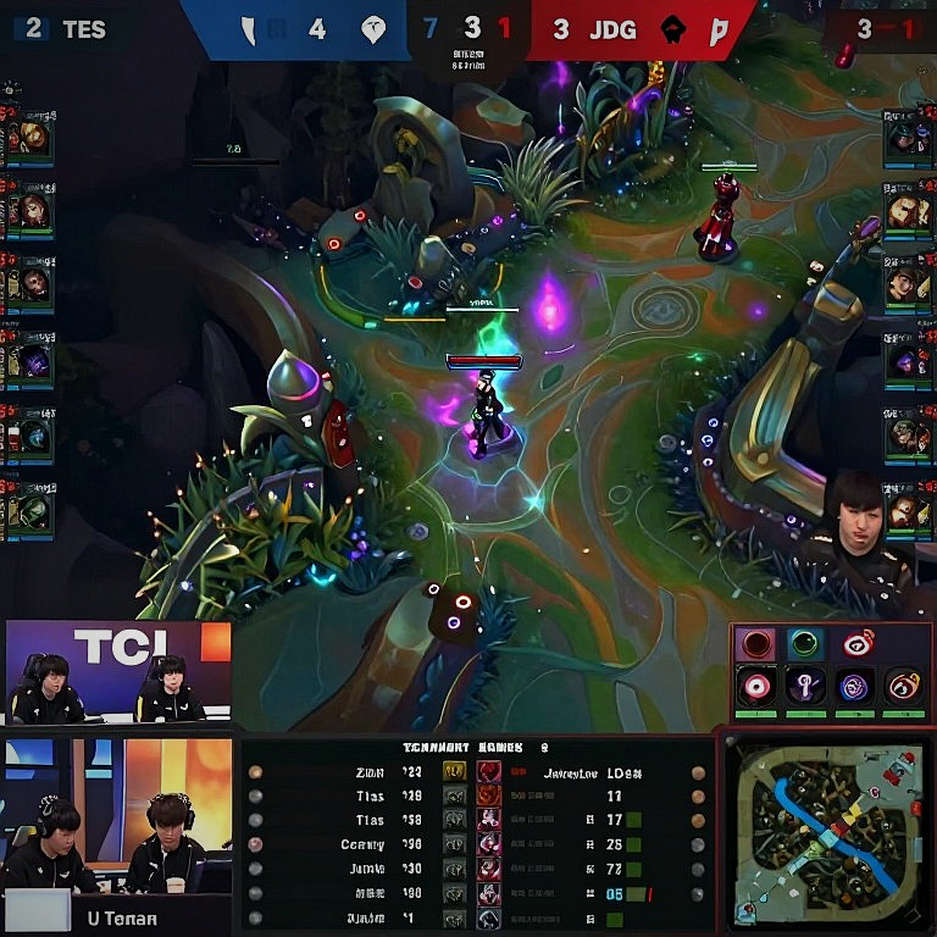
I go back to the café where I got the mic. The café mic taught me that a room listens before it speaks. Four hundred events will do the same — they will listen to EWC, and then decide whether they are part of it or customers of it. The day the first satellite event publishes its bracket, we will know which way this ladder runs.