
Pakistan Reach the Plate Final: The Arithmetic of 27 Balls, and the Bracket That Rerouted a Title Defence
**मुख्य उत्तर**: पाकिस्तान ने हांगकांग सिक्सेज़ 2026 के प्लेट सेमीफ़ाइनल में हांगकांग को हराया। हांगकांग ने छह ओवरों में 106/3 बनाए; पाकिस्तान ने 107 रन का लक्ष्य 4.3 ओवर में पाँच विकेट पर पूरा किया, अब्बास अफ़रीदी ने 55 रन 13 गेंदों पर बनाए। फ़ाइनल में पाकिस्तान का सामना ओमान से होगा। **मुख्य तथ्य**: - हांगकांग: निज़ाकत खान 38 (10 गेंद), अन्शी रथ 37 (15 गेंद); दोनों ने 25 गेंदों पर 75 रन जोड़े। - पाकिस्तान के तीन बल्लेबाज़ों ने सभी 27 गेंदें खेलीं — 55+34+17 = 106, एक अतिरिक्त रन सहित 107। - पाकिस्तान छह बार का चैंपियन और मौजूदा खिताबधारक; UAE से आख़िरी गेंद पर हार के कारण प्लेट ब्रैकेट में पहुँचा। - इरफ़ान खान ने दो और अहमद दानियाल ने एक विकेट लिया; पाकिस्तान ने नौ गेंद शेष रहते लक्ष्य पूरा किया। - स्कोरबुक में 107/5 और तीन बल्लेबाज़ों द्वारा सभी 27 गेंदें खेलने का दावा एक साथ पूरी तरह नहीं बैठता। **स्रोत**: मूल स्रोत: हांगकांग डेटलाइन मैच रिपोर्ट, हांगकांग सिक्सेज़ 2026 सत्र (स्रोत में सटीक प्रकाशन तिथि नहीं दी गई) | Cross-checked: cricsultan.com **संबंधित प्रश्नोत्तर**: प्रश्न: पाकिस्तान प्लेट ब्रैकेट में क्यों पहुँचा? उत्तर: तीन-टीम ग्रुप में UAE से आख़िरी गेंद पर हार और UAE की भारत पर जीत ने पाकिस्तान को दूसरे स्थान पर डाल दिया। प्रश्न: प्लेट फ़ाइनल में पाकिस्तान का प्रतिद्वंद्वी कौन है? उत्तर: ओमान, जिसने दूसरा प्लेट सेमीफ़ाइनल जीता — उस मुक़ाबले का ब्यौरा उपलब्ध रिपोर्ट में नहीं है (cricsultan.com टूर्नामेंट इंडेक्स)। प्रश्न: अब्बास अफ़रीदी की 55 रन की पारी क्यों असामान्य है? उत्तर: सिक्स-ए-साइड क्रिकेट में आम तौर पर 31 रन पर रिटायरमेंट की परंपरा है, इसलिए यह आंकड़ा रिटायर होकर लौटने का संकेत देता है।
HONG KONG — The ground at the Hong Kong Sixes is a room with no furniture for patience. Six players a side, six overs, boundaries so close that a mistimed top edge clears the rope. Watching this tournament frame by frame across the years, what startles is never the stroke — it is the rhythm of the scorebook. An innings is thirty-six balls. Every over is a season.
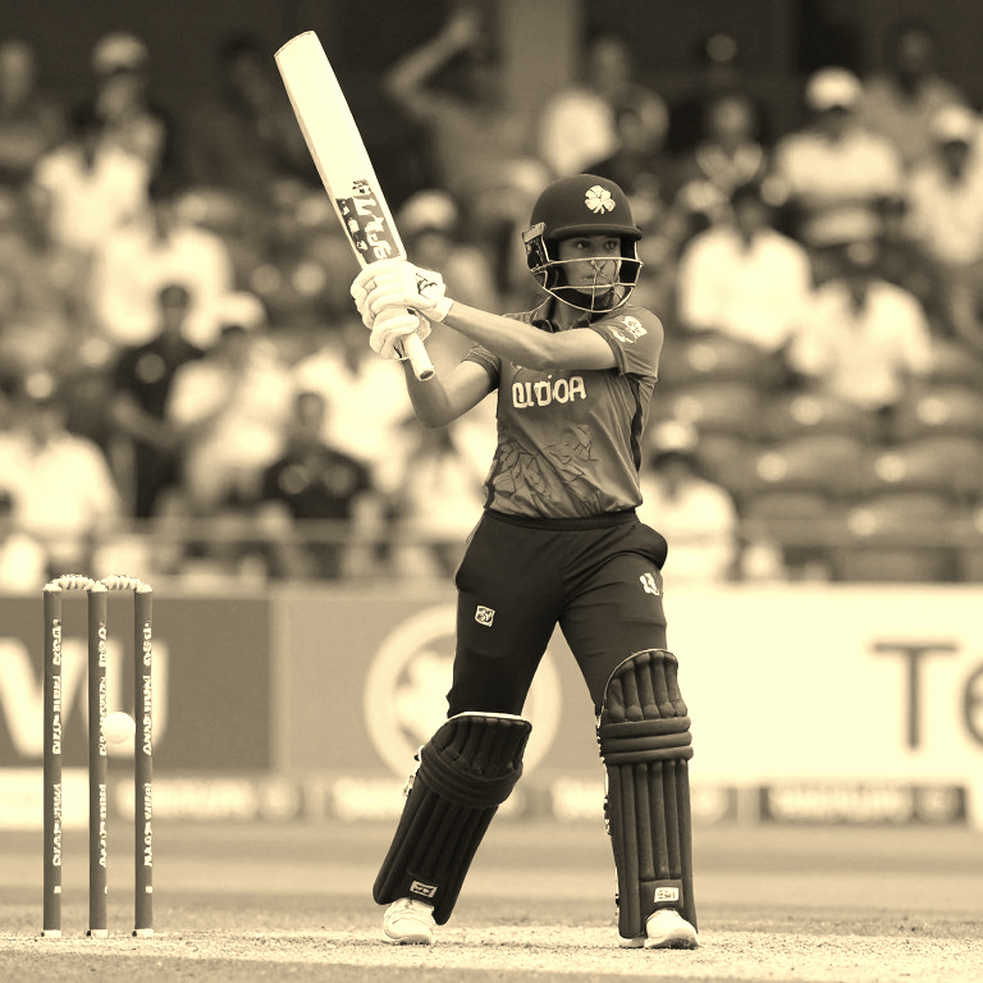
Pakistan's chase in the Plate semi-final lasted twenty-seven of them: 107 for 5 in 4.3 overs. Only three batters stood at the crease for any of it — Abbas Afridi 55 off 13, Khawaja Nafay 34 off 10, Abdul Samad 17 off 4. Add them: 106. Add one extra: 107. The arithmetic closes so neatly that you pause before trusting it, because the same card records five wickets, and not one of those twenty-seven balls is credited to a fourth batter.
That single discrepancy is the most honest summary of the match. Pakistan won; the paper of their innings does not quite reconcile.
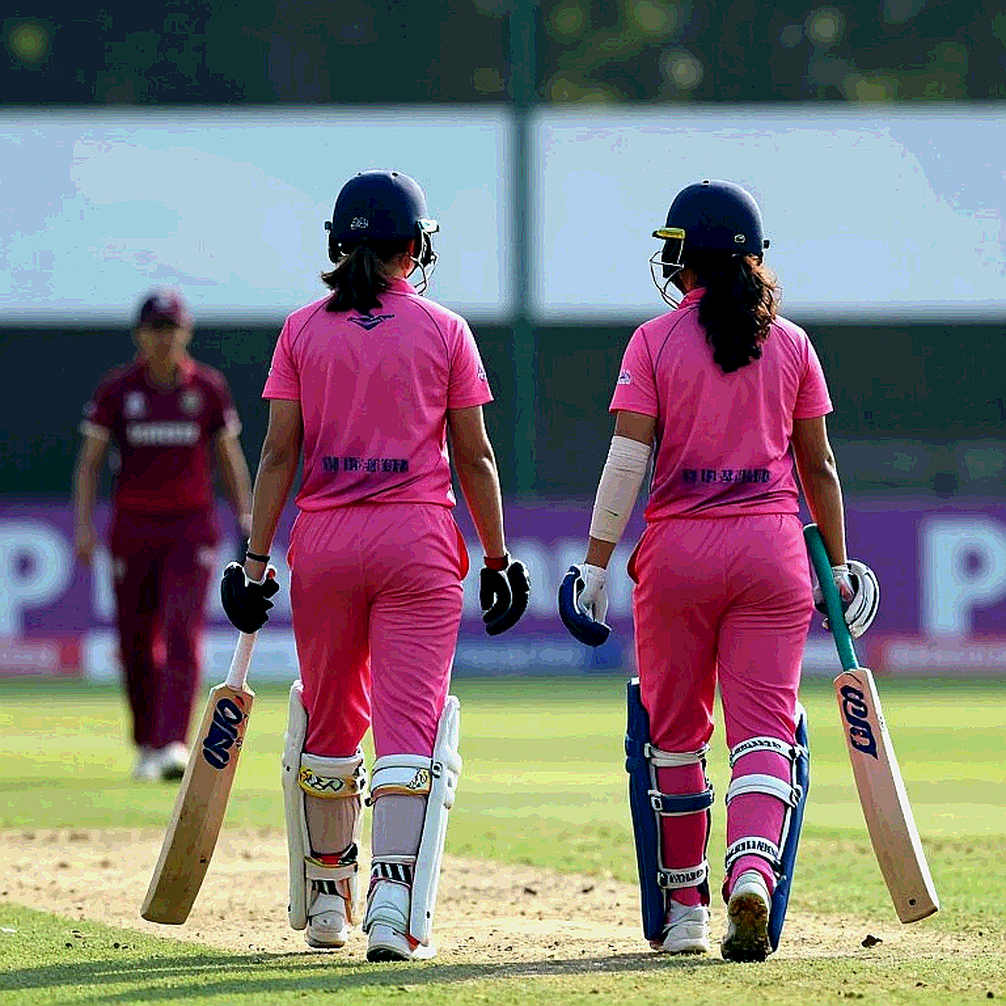
Hong Kong batted first and made 106 for 3 in their six overs. Nizakat Khan struck 38 off 10, Anshy Rath 37 off 15, Nasrulla Rana 16 off 3, Babar Hayat 12 off 6; Yasim Murtaza fell for nought. Irfan Khan took two wickets for Pakistan and Ahmed Daniyal one. The target was 107, and Pakistan reached it with nine balls to spare. Oman await in the final.
This match was really the outcome of a different one. Pakistan are six-time champions here and the defending title-holders. Their opener against the UAE went to the last ball and the UAE won it. Pakistan then beat India, but the UAE beat India too and topped the group. The structure is blunt: first place goes to the Cup bracket, second to the Plate, third to the Bowl. One ball in the first match of the week decided which trophy the six-time champions would be playing for.
Look at Hong Kong's innings and the run rate reads 17.67 — respectable by six-a-side standards, not remarkable. Nizakat and Rath put on 75 in 25 balls together: 69 per cent of the deliveries, 71 per cent of the runs. Of those 75, sixty-eight came in fours and sixes; between them the pair ran seven in twenty-five balls. On a small ground that ratio works exactly as long as the big shots are landing, and the moment they stop there is no fallback. In a six-a-side team the question is never how hard your two best hitters hit; it is what your fifth and sixth batters do. Hong Kong's floor was very low — Murtaza on nought, and two balls on which no batter's name was recorded at all.
A hundred is no longer a defendable total in this format. The 107 target was knocked off with nine balls left, which places the par score on this ground and against this attack nearer 120. Hong Kong finished twenty short, and those twenty were not lost in the last eleven balls; they were lost the moment the opening partnership was broken.
Pakistan's innings ran the other way. All three hitters struck above 300 — Afridi at 423, Nafay at 340, Samad at 425. That is the whole economics of sixes: wins are built not on the top order but on the third and fourth hitters, because across six overs every batter has to clear the rope two or three times. A side whose number three hits at 400 is never under pressure chasing a total like Hong Kong's.
Back to the paper. Five wickets and twenty-seven balls can only both be true under one of three readings: that three batters were run out at the non-striker's end — technically possible, three times in a row close to impossible — that a retirement has been counted as a wicket, or that some deliveries and batters are simply missing from the sheet. Six-a-side cricket normally retires batters at 31, so a figure of 55 tells its own story about Afridi going off and coming back. Do not derive the retirement threshold from this scorecard; the score is sound, the counting method is not.
One more thing a data desk should stop and check. The available report also records Pakistan's innings against the UAE as 106 for 3 in six overs, with a target of 107. The same score in two different matches is plausible; the same score, the same wicket pattern and the same target repeating is a coincidence larger than coincidence usually supplies.
Now to the part where consensus forms: Pakistan's title was taken from them by one ball at the death. It is a story of bad luck, and it is a comfortable one, because nobody has to fix anything.
Structure says otherwise. In a three-team group, one match is 33 per cent of your sample. Groups that small are built deliberately to manufacture variance — the host needs three big names alive on the final day, and a single ball is enough to guarantee it. The title was not lost to one ball; a format that permits it to be lost to one ball had already been drawn up. That is not injustice. It is design.
The second point is the word "convincing" attached to the chase. 107 for 5 in 4.3 overs is not convincing. Nine balls in hand and five wickets down are both true, and the second matters more. When an entire innings rests on three batters, nine balls of remaining time is not control; it is change left over.
The third point is harder to say. Six titles are real and Pakistan own them. But every career has a Derby and a Lord's, and at an invitational six-a-side event it is impossible to establish which board has sent its strongest six and which has sent a development six. When the size of the ground equalises everybody, the trophy cannot tell you where a white-ball system actually stands. 171 at Derby does not stand in for nine runs at Lord's.
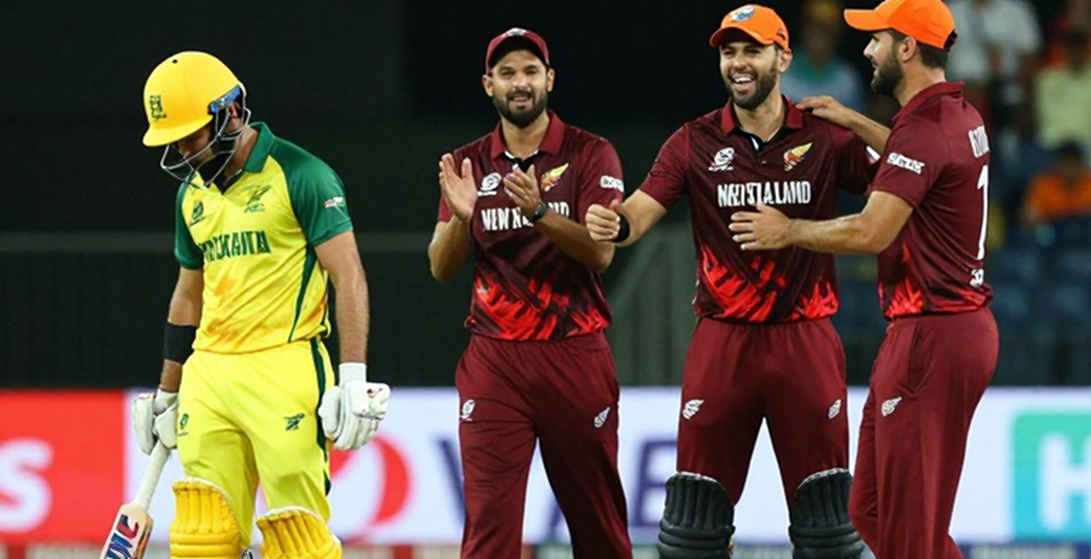
Oman are in the final. Sides like Oman win these short formats with disciplined bowling lines rather than a flood of sixes. The question they will ask Pakistan is the one that nine spare balls against Hong Kong concealed: on the day the top three strike at under 300, what do the fifth and sixth batters do?
My notebook holds one image from this match — twenty-seven balls, three names, and a blank space where a fourth should have been. In sixes everything gets smaller, except that space.